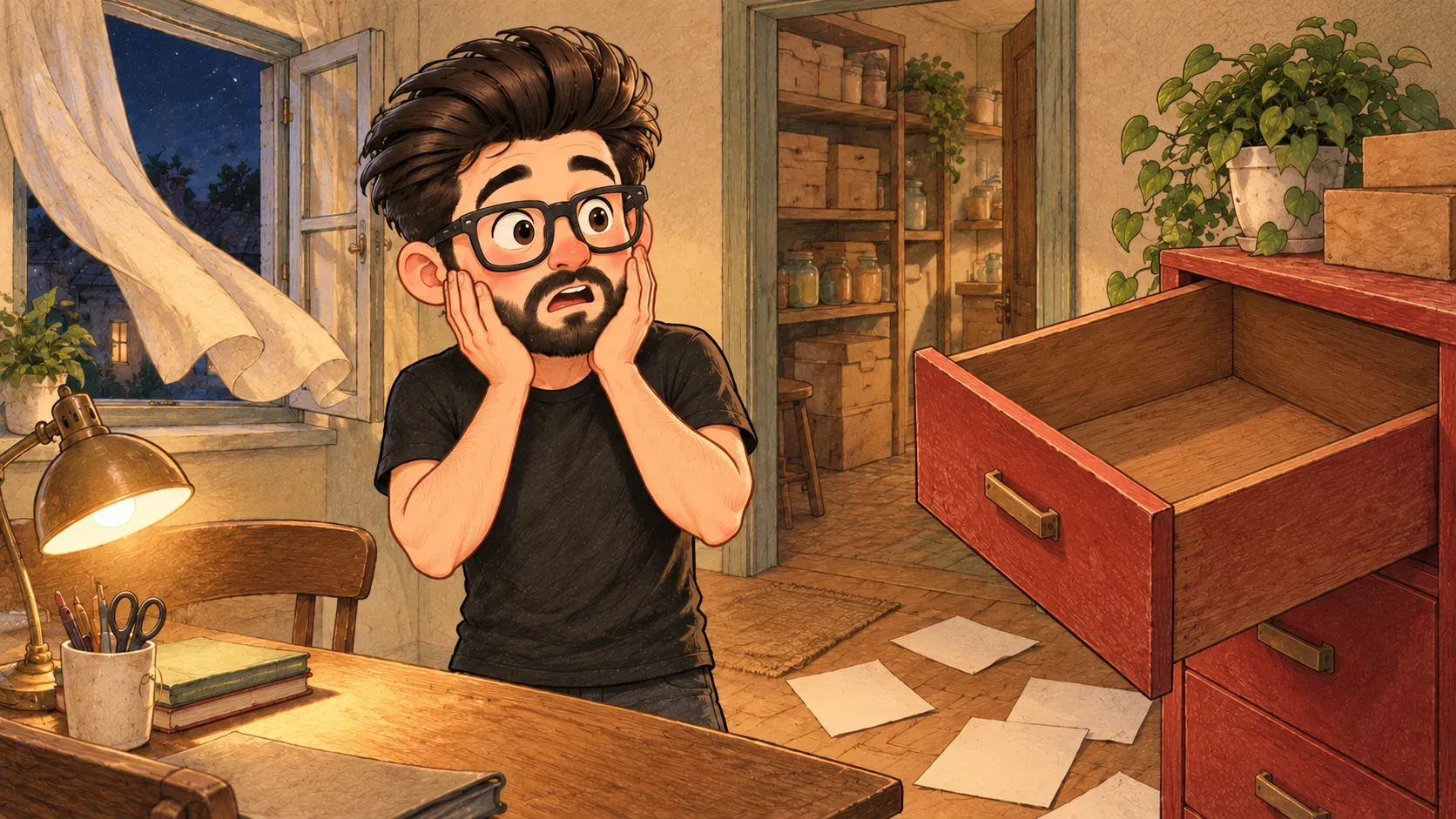

You did nothing wrong. But a company you shopped with lost your details. That's a data breach.
A shop keeps a list of its customers: names, addresses and what they bought. One night, someone breaks into the back office and takes it. The customers did nothing wrong, but their details are now out there.
That’s a data breach. It’s when private information a company holds is stolen, leaked or left open for anyone to see.
What can get out
- names, email addresses and phone numbers
- passwords, ideally scrambled, sometimes not
- card details, medical records or other sensitive data
How it happens
Hackers break in, often helped by malware or phishing. A staff member makes a mistake. A database is accidentally left open to the internet.
What to do if you’re affected
Change the password for that site and anywhere you reused it. Turn on two-factor authentication. Watch for scam emails using your details. A password manager makes this much easier.
What it isn’t
It isn’t always hacking. Many breaches are simple mistakes, like a file shared with the wrong people.
Where the comparison breaks down
A stolen paper list is gone. Stolen data is copied: the company still has it, so they may not notice for months.
How the words fit together
Malware or phishing can cause a data breach. Encryption limits the damage, because stolen scrambled data is hard to use.
You can check whether your email has appeared in known breaches at haveibeenpwned.com. If it has, change that password.

When you'll hear it
“We've had a breach.” Private information we hold has been stolen or exposed.
“Your details were in a leak.” Your email, password or other information appeared in stolen data.
“We have to notify the regulator.” The law says we must report the breach to the authorities within a deadline.
“If we had a data breach tomorrow, who decides what to tell customers and how fast?”
